

City
Venice
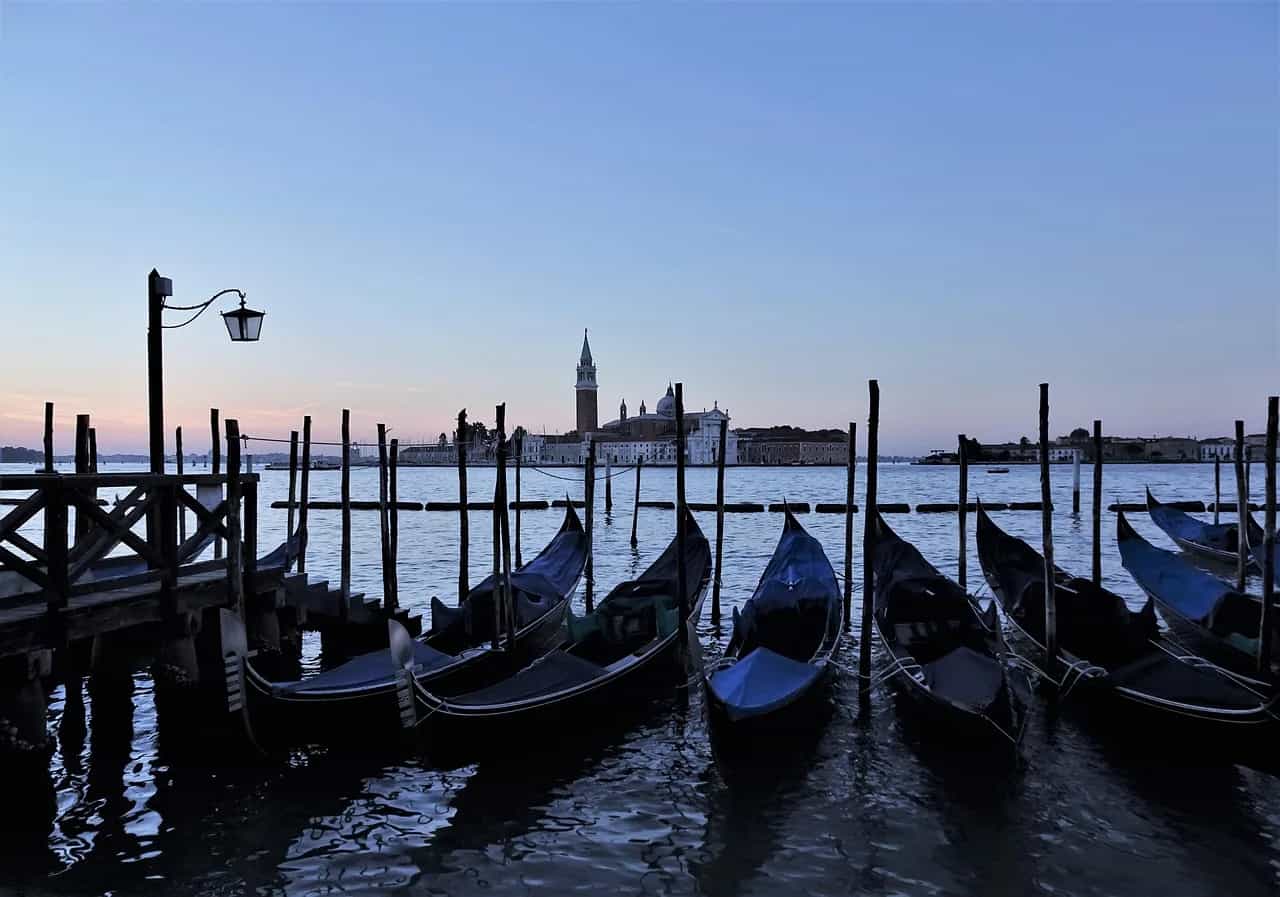
Venice has no cars: you walk or take a vaporetto between canals, bridges and lagoon islands — a city that asks you to slow down.
A city with no roads
Venice is built on 118 small islands in a lagoon, stitched together by around 400 bridges, and it has no cars at all. You get around on foot or by water: the vaporetto (water bus) runs along the Grand Canal, water taxis cover the rest, and a gondola is a treat rather than transport. Pack comfortable shoes — every bridge has steps, so a heavy suitcase becomes a daily burden. Choose where to sleep carefully, because the six sestieri each feel different. San Polo and Dorsoduro are lively, Cannaregio is more local and quieter at night, and San Marco is the most central and the busiest.
What to see, and how to dodge the crowds
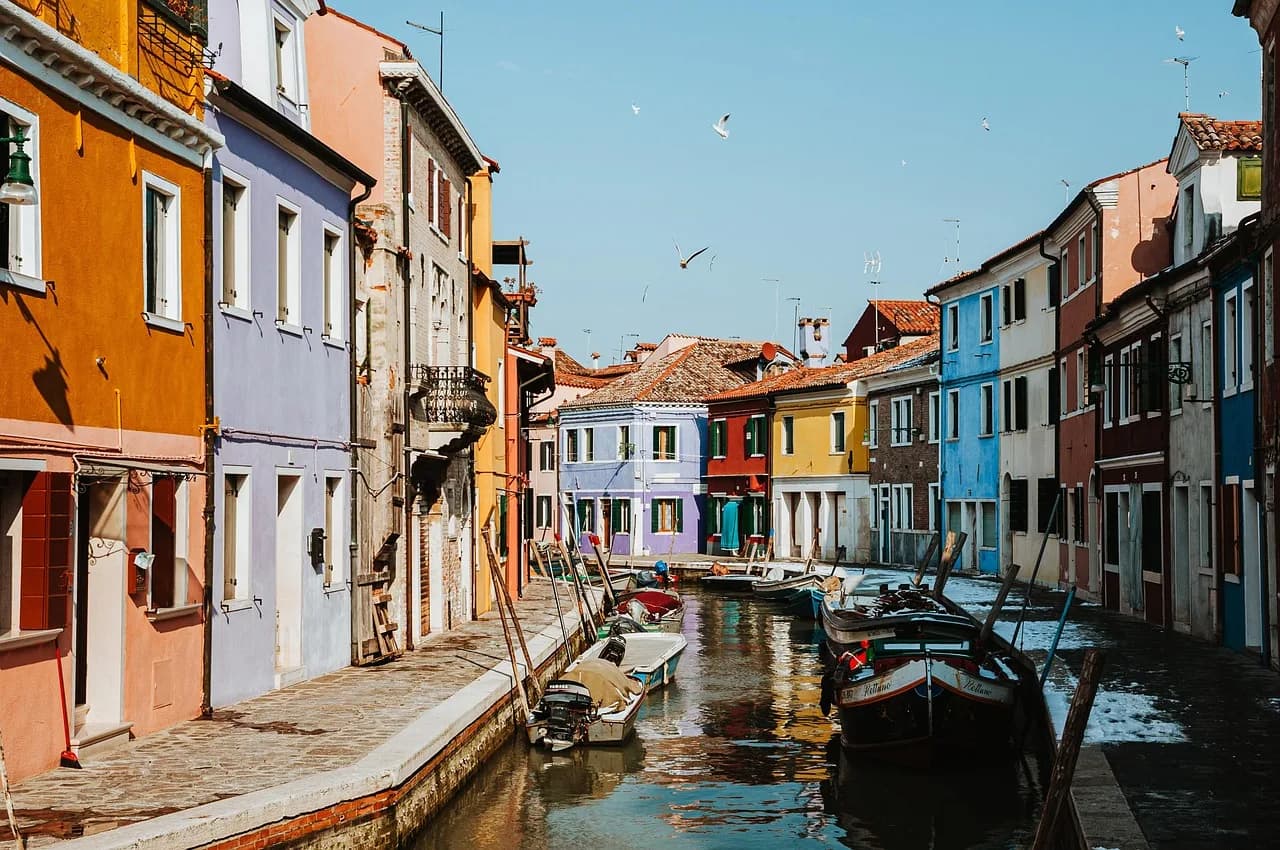
St Mark's Basilica and the Doge's Palace are the headline sights: book timed entry ahead and climb the Campanile for the view over the lagoon. Then step off the main route — the Rialto market in the morning, the Gallerie dell'Accademia in Dorsoduro, the lanes of Cannaregio and the old Jewish Ghetto. A boat out to Burano (lace and painted houses), Murano (glass) and quiet Torcello takes half a day. Venice manages day-trippers with an access fee on selected busy days, so check the city's official calendar before you travel. From autumn to winter, acqua alta (high water) can flood the low-lying areas; raised walkways go up and shops sell rubber boots.
Where to eat and how to get there
Eat like a Venetian at a bàcaro: standing at the bar with cicchetti (small bites such as baccalà mantecato on bread or sarde in saòr) and an ombra of wine. Skip menus with photos around St Mark's. Marco Polo airport sits across the lagoon and is reached by Alilaguna boat, bus or water taxi; Treviso, used by some low-cost airlines, is a bus ride away. Flights from Tirana vary by season, so ask us which airport suits your dates. If you arrive by train at Santa Lucia, you step straight out onto the Grand Canal. Venice rewards slow days, not rushed visits.
In pictures
Frequently asked questions
Are there cars or buses in Venice?
No. The historic centre has no cars: you walk, or use vaporetti and water taxis. Cars stop at Piazzale Roma or in the car parks on the mainland.
When is the best time to visit Venice?
April, May, September and October bring pleasant weather. July and August are hot and crowded, while November to February can bring acqua alta and fog. Carnival takes place in February.
Do I have to pay to enter Venice?
For visitors who do not stay overnight, Venice applies an access fee on selected busy days. The calendar and rules change, so check the city's official site before you travel.
Which airport should I fly into for Venice?
Marco Polo (VCE) is closest to the city. Treviso (TSF) is used by some low-cost airlines and needs a bus transfer. Send us your dates and we will suggest the most convenient option.
What we do
Related services

Ready when you are
Request an offer
Tell us where you want to go and when. We will come back with a concrete proposal.