
The road south from Tirana
From Tirana or Kamëz the usual route runs south through Fier and Tepelenë, then along the Drino valley past Gjirokastër to the Kakavijë border crossing, roughly three and a half to four hours in normal traffic. Ioannina is about an hour beyond the border, and from there motorways do most of the work: the Egnatia Odos heads west toward Igoumenitsa, the Ionia Odos south toward Preveza. Count on six hours or more of driving to Parga and around seven to Lefkada, before any border queue. From Sarandë, the smaller Qafë Botë crossing near Konispol comes out just north of Igoumenitsa, but its hours have changed over the years, so check first.
The border is the real unknown. On summer weekends and around holidays, queues at Kakavijë can stretch past an hour, sometimes much longer; early mornings are usually quicker. Albanian citizens with a biometric passport can visit Greece visa-free for short stays (up to 90 days in any 180), and since April 2026 the EU's Entry/Exit System registers fingerprints and a photo for non-EU travellers, so your first crossing may take a little longer. Rules evolve, so check current requirements before you travel.
Why a coach beats driving yourself
Driving is doable, but it means a long day at the wheel plus a string of small hassles: Green Card insurance that lists Greece (and written permission if the car is rented), toll booths on Greek motorways and at the Aktio–Preveza undersea tunnel, Parga's steep lanes where parking in August is a sport, and beach car parks on Lefkada that are full by late morning. That is why OnTravel runs these trips as coach journeys from Albania with an Albanian-speaking escort throughout. Someone else handles the border, the route and the timing; you arrive rested, with someone who speaks your language on hand if you need a pharmacy, a doctor or simply a good taverna.
Parga: a castle, coves and the river of the dead
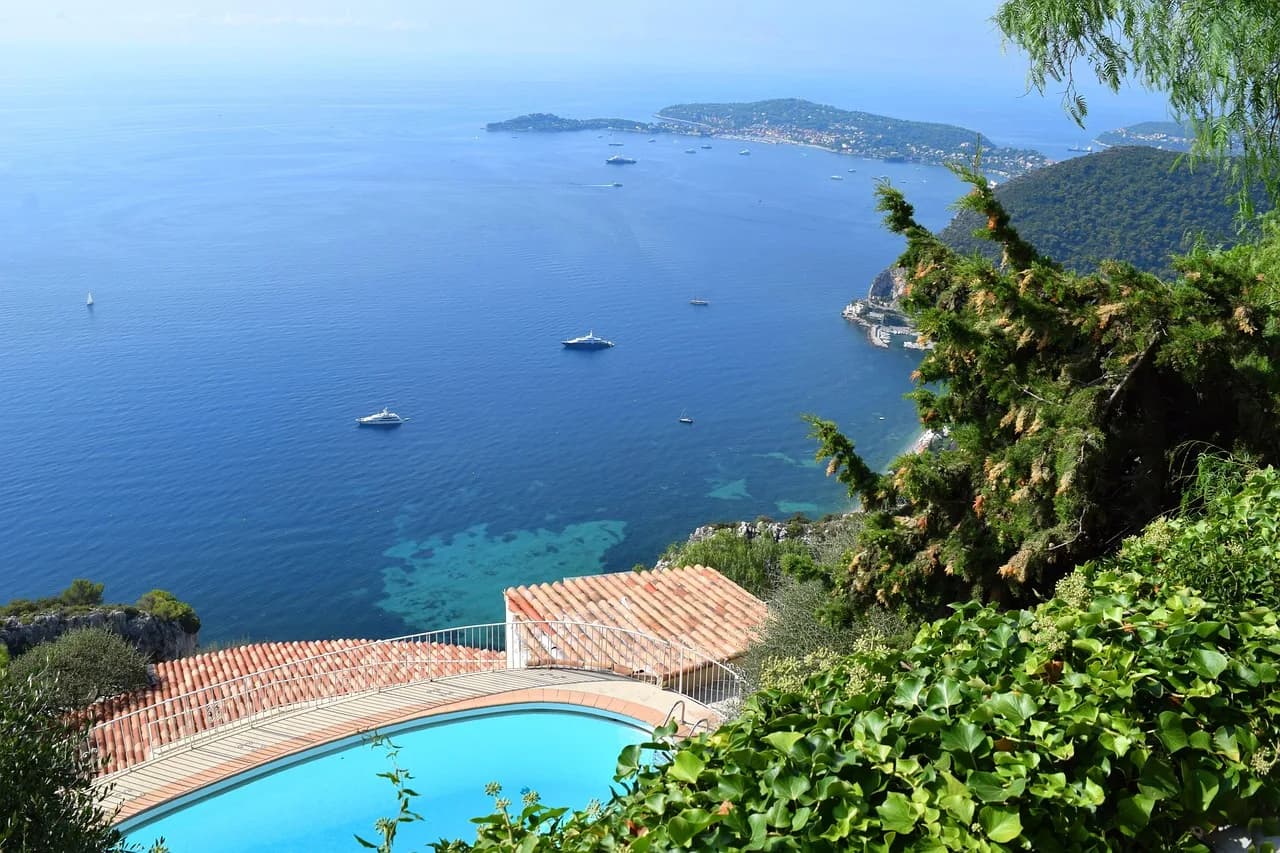
Parga is the prettiest town on this stretch of mainland coast: pastel houses stacked above a small harbour, with the pine-covered islet of Panagia and its white chapel just off Krioneri beach, close enough to swim to. It was a Venetian possession from 1401 until the fall of the Republic in 1797, and the Venetian castle on the headland, rebuilt in 1572 after Barbarossa's raid, still divides the town from Valtos beach. The classic walk goes up through the castle for the view and down the other side to Valtos, a long, wide bay of fine pebbles and sand, about a quarter of an hour on foot. Lichnos, a few kilometres south, is quieter.
Boat trips leave from the harbour. The most distinctive go south to Ammoudia at the mouth of the Acheron, the river the ancient Greeks placed at the gateway to the underworld; inland, at the springs near Glyki, people wade through the cold, clear water of the gorge. Other boats head to Paxos and Antipaxos or north to the coves around Sivota. Routes and schedules vary by operator and season.
Preveza: old town, Nikopolis and Monolithi
Preveza is a working town rather than a resort, and that is its charm: an old centre of narrow lanes and tsipouradika, where each round of tsipouro comes with small plates of meze. The waterfront faces Aktio across the channel, where in 31 BC Octavian defeated Antony and Cleopatra. To mark the victory he founded Nikopolis, the "City of Victory", a few kilometres north of today's town. The site is large and rarely crowded, with city walls, an odeon, a theatre, parts of the aqueduct, early Christian basilicas with floor mosaics, and a museum of finds.
West of town, Monolithi runs for kilometres along the open Ionian, with organised sections near the access roads and empty stretches beyond; expect more swell than on the gulf side. The Amvrakikos Gulf is famous in Greece for its shrimp and sardines, and Preveza holds a sardine festival in late summer.
Lefkada: the island you can drive onto
Lefkada is the one island here you reach without a ferry. From Preveza the road dives under the channel through the Aktio–Preveza tunnel, then crosses a causeway and a short floating swing bridge into Lefkada town, around 20 kilometres in all. By day the bridge swings open on the hour for boats, so a brief wait is normal.
The west coast is why people come. Kathisma, near Agios Nikitas, is a long sweep of pale sand with beach bars, paragliders drifting down in the afternoon and a famous sunset. Porto Katsiki, near the southwest tip, is the postcard: a strip of beach beneath white cliffs, an hour or more of winding road from town and roughly a hundred steps down. Go early, and note that parts of the beach have been cordoned off in recent seasons because of falling rocks.
Egremni needs a clear caveat. The November 2015 earthquake destroyed its stairs and access road, and it was reachable only by boat until a new metal staircase opened in 2021. Since then, local sources have reported the land access being officially closed again over cliff instability, and winter rockfalls have damaged the steps. Treat land access as uncertain and ask locally; boat trips from Vasiliki and Nidri, the east-coast hub for cruises to Meganisi and past Skorpios, are the safer bet.
Zakynthos and Navagio: further south, with caveats
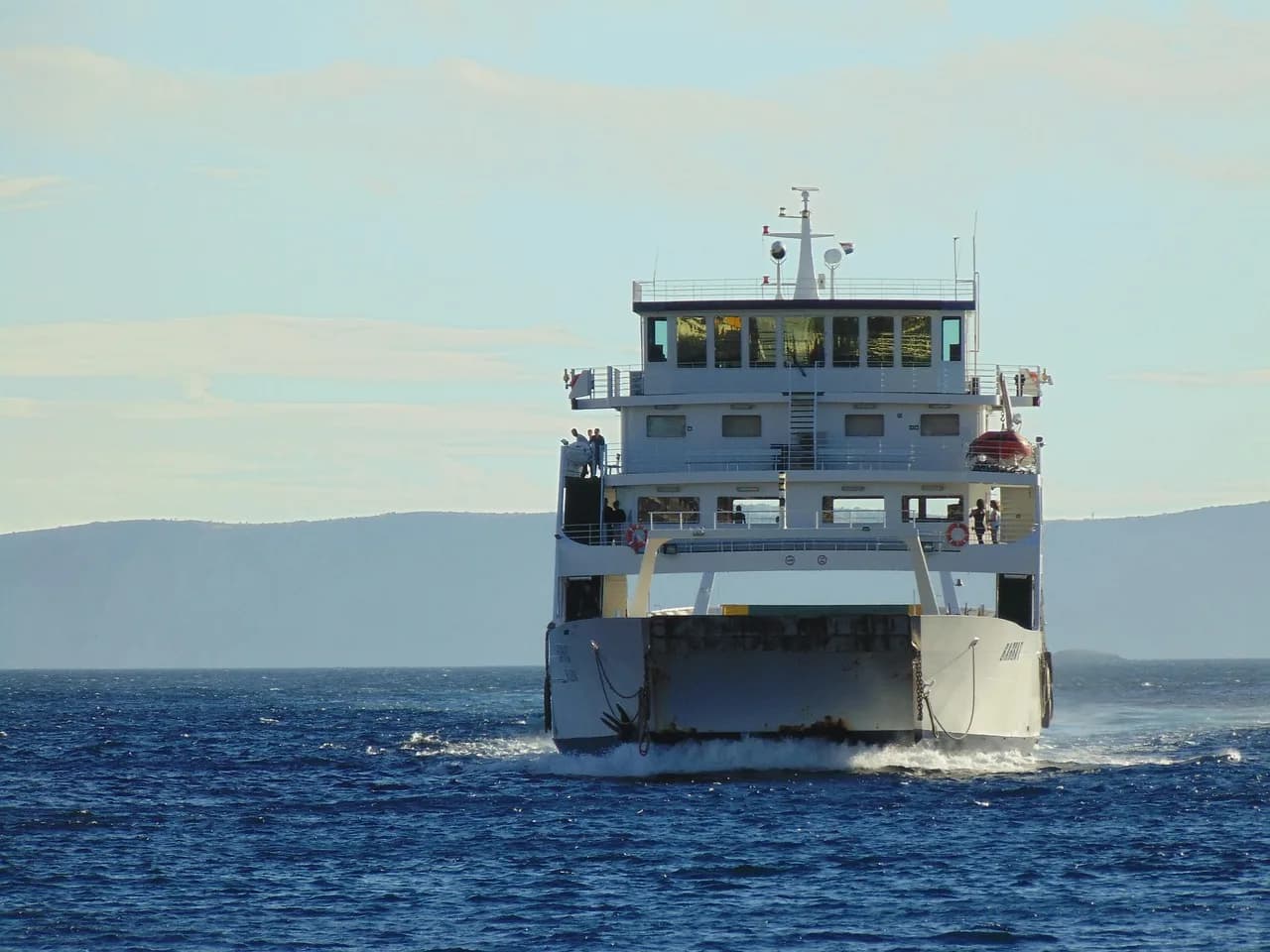
Zakynthos is a bigger commitment: south on the Ionia Odos, over the Rio–Antirrio bridge to the port of Kyllini in the Peloponnese, about three hours by car from Lefkada, then a ferry of roughly an hour to an hour and a quarter. It works better as its own holiday than as a side trip.
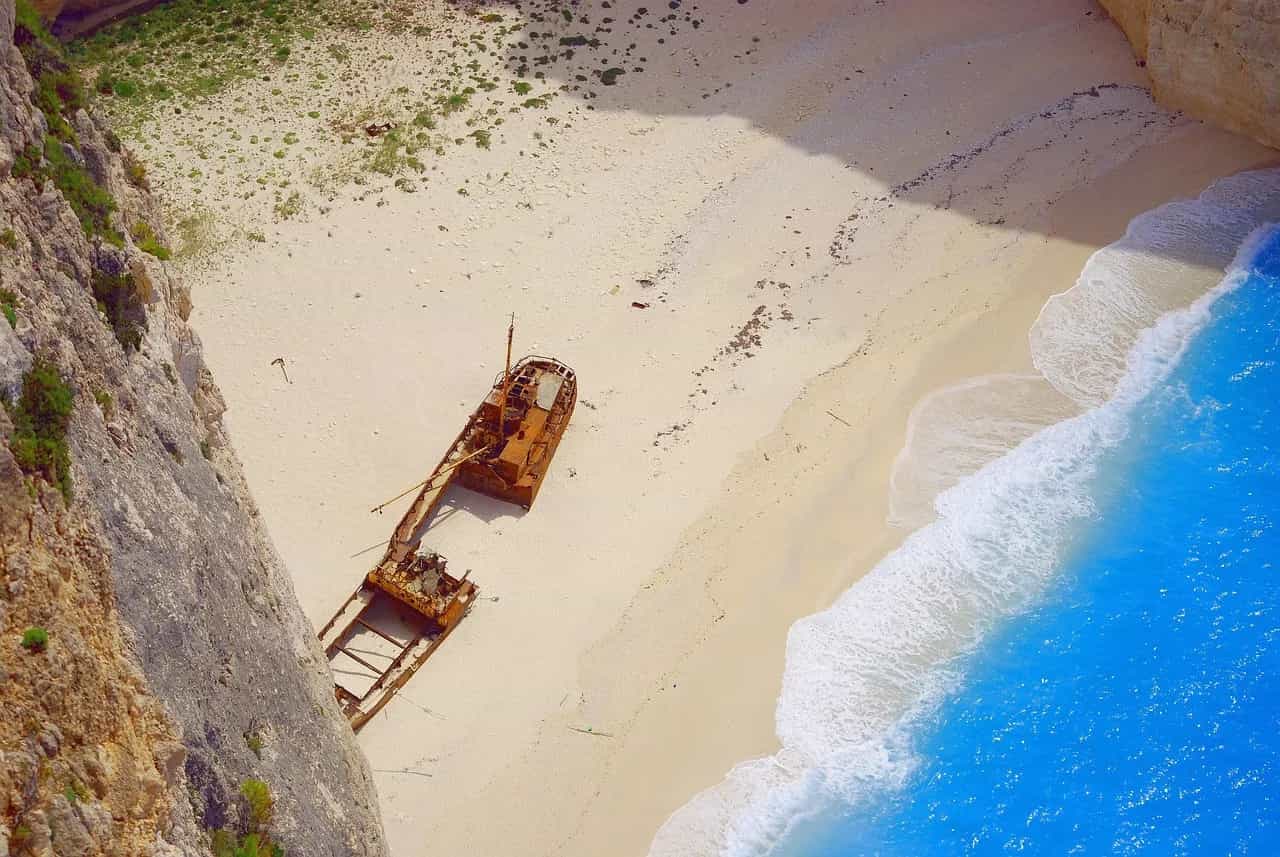
Navagio, or Shipwreck Beach, is the image at the top of this page: a white cove under sheer cliffs, with the rusting hull of the Panagiotis, which ran aground in 1980. Access has been restricted repeatedly because of landslides, after a cliff collapse in 2018 and an earthquake in 2022. For the 2026 season, landing, swimming in the cove and bringing boats within 50 metres of the shore are banned until the end of October; the clifftop viewing platform is the main way to see it, and boats can still pass offshore. The rules are reviewed each season, so check the current status before planning around Navagio.
When to go, what to eat, and practical tips
June and September are the sweet spots. The sea around Lefkada averages roughly 22–23°C in June and stays around 25°C through September, with room on the beaches. August has the warmest water, around 26°C, but Greek families are on holiday too, the bridge into Lefkada backs up and everything costs more. October can still be swimmable in a warm year, though many seasonal businesses start closing.
At the table, look for Amvrakikos shrimp and grilled sardines in Preveza, Epirus-style pies around Parga, and on Lefkada the local salami, seasoned with garlic and peppercorns, and the small lentils of Eglouvi.
- Cards and cash: virtually all Greek businesses must accept cards, but keep some cash for beach canteens, car parks and kiosks.
- Umbrellas and sunbeds: on organised beaches you rent a set or order drinks. A 2024 law keeps a large share of every beach free of sunbeds, so there is always room for your own umbrella.
- Driving on Lefkada: west-coast roads are narrow, steep and busy with scooters and quad bikes. Go slowly, watch for goats and allow time for parking.
How OnTravel can help
OnTravel runs coach trips by road to Parga, Preveza and Lefkada with an Albanian-speaking escort from start to finish, as well as Corfu trips via Igoumenitsa with the ferry included. If you would rather shape your own trip, including a stretch down to Zakynthos, we can arrange transport, ferry crossings, hotels and transfers. Visit us on Rruga Stokholm in Kamëz, next to the Albanian Post office, Monday to Saturday from 08:30 to 20:00, or write to us on WhatsApp at +355 69 333 0339 to request an offer.