

Country
Spain
Barcelona, Madrid and Andalusia, plus the Balearic Islands — Spain, visa-free for a biometric passport.
Regions and cities
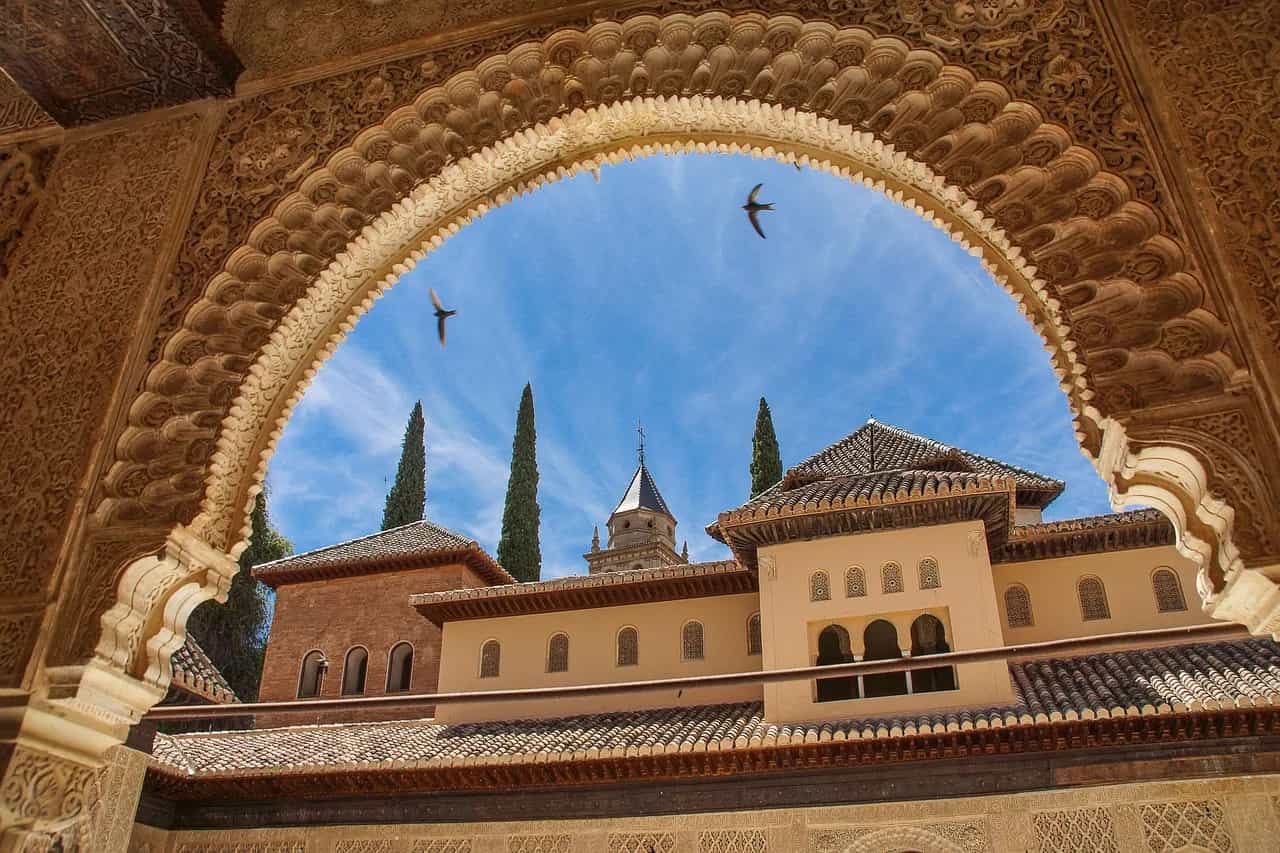
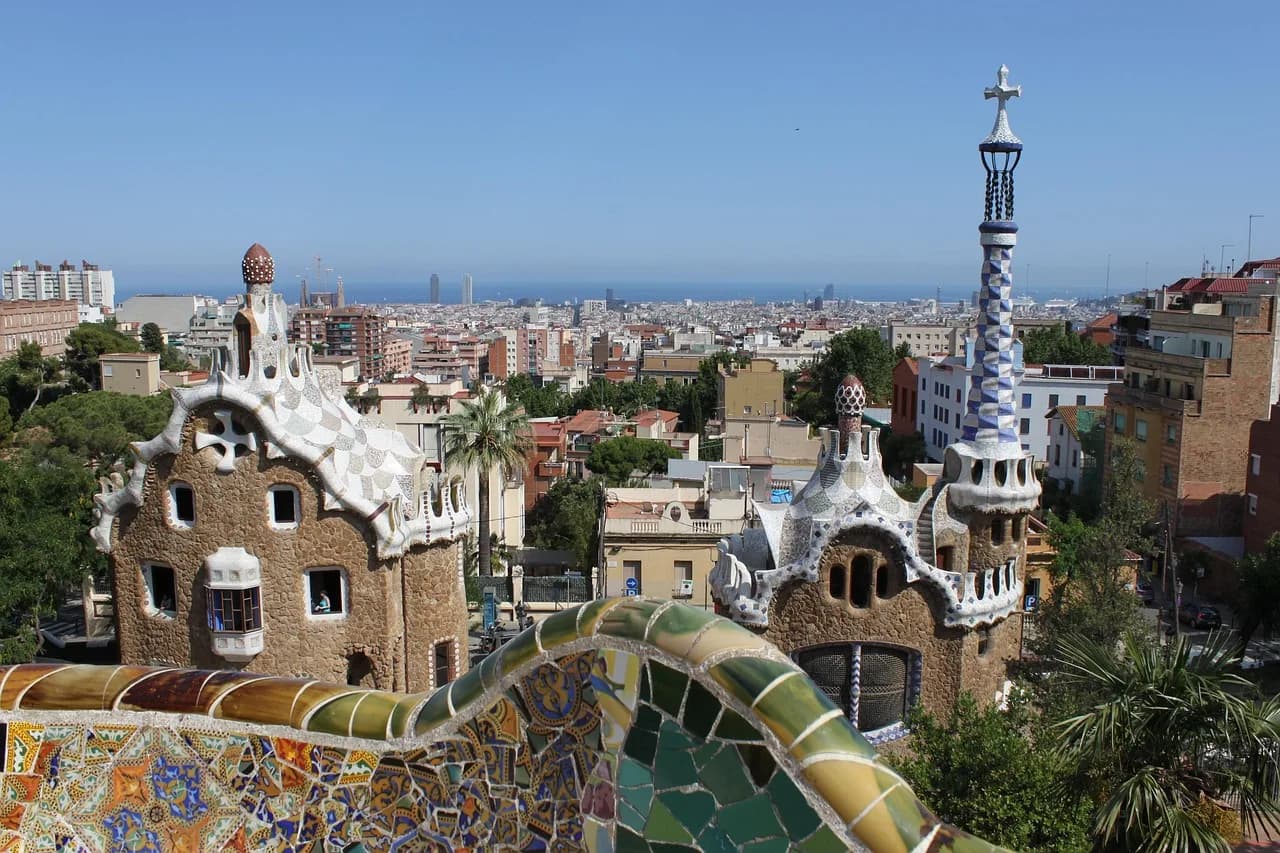
Barcelona combines Gaudí's architecture — the Sagrada Família, Park Güell — with the Gothic Quarter and La Rambla promenade. Madrid, at the heart of the country, offers the Prado museum, Retiro Park and Gran Vía for shopping and nightlife. Andalusia in the south opens up a different world: Seville with the Alcázar palace and authentic flamenco, Granada with the Alhambra on its hill, and Málaga with the Costa del Sol. The Balearic Islands — Mallorca for families, Ibiza for nightlife — remain a beach option apart, while San Sebastián in the north is known for pintxos and Basque cuisine. Valencia itself, beyond its fame as the birthplace of paella, offers city beaches and the modern City of Arts and Sciences complex.
When to go
Spring and autumn are the strongest windows for Madrid and Seville, where summer can easily pass 40°C. Summer belongs to the coast and islands, when the beaches of the Costa del Sol and the Balearics fill with travellers from across Europe. Holy Week (Semana Santa) in Seville and the Feria de Abril bring a distinctive atmosphere, though with far larger crowds than usual.
Food
Tapas remain the Spanish way of eating — small plates shared at the table — while paella, born in the region of Valencia, remains the dish best known abroad. Jamón ibérico, local cheeses and sangria round out the table, while in the north, in the Basque Country, pintxos (the Basque take on tapas) are served on slices of bread in every bar. In the north-west, Galicia is known for its seafood, particularly octopus prepared in the pulpo à feira style.
Getting around
The AVE high-speed train connects Madrid, Barcelona and Seville within a few hours, far more practical than driving for long distances between the main cities. Both major cities have an extensive, easy-to-use metro network. Reaching the Balearic Islands needs a domestic flight or a ferry from Spain's eastern coast. One local habit that often surprises visitors: many small shops close for a few hours around midday and reopen in the late afternoon.
Visa and practical notes
Spain is part of the Schengen area, so biometric Albanian passports enter visa-free for short stays — it's still worth checking current conditions before you travel. Albanian travellers often ask whether Spain can be combined with Portugal (yes, by train or car between the border cities), and which Balearic island suits families versus couples better — Mallorca tends toward the former, Ibiza toward the latter.
Frequently asked questions
Do Albanian citizens need a visa for Spain?
Not for short tourist stays — Spain is part of the Schengen area and biometric Albanian passports enter visa-free. We still recommend checking current conditions before you plan your trip.
Can I combine Spain with Portugal?
Yes, especially if the trip includes western cities like Seville, from where Lisbon or Porto are reachable by car or train within a few hours. Many travellers split their days between the two countries.
Mallorca or Ibiza — which island should we choose?
Mallorca tends to be the calmer, more family-oriented choice, with wide beaches and picturesque villages. Ibiza is best known for nightlife and a livelier atmosphere geared more toward adults.
How hot does Spain get in summer?
In cities like Madrid and Seville, summer temperatures can easily pass 40°C. The coast and islands stay somewhat cooler thanks to the sea breeze, making them more comfortable choices during the hottest months.
Explore
Cities in Spain
What we do
Related services
Ready when you are
Request an offer
Tell us where you want to go and when. We will come back with a concrete proposal.